
How to Avoid and Detect Elder Financial Exploitation: A Guide for Seniors, Carers and Relatives
Elder financial exploitation costs older Americans billions every year. Learn the warning signs, the most common scams and the practical steps that protect your loved ones.
Our reviews are independent. When you buy through links on this page we may earn a commission, which never changes our rankings. Read our disclosure.
Elder financial exploitation is the illegal or improper use of an older person’s money, property or identity. It can be carried out by a stranger on the phone, a scammer online, or, very often, by someone the older person knows and trusts. Americans over 60 reported losing nearly $4.9 billion to fraud in 2024 alone, a 43% jump on the year before and more than any other age group, according to the FBI’s Internet Crime Complaint Center (IC3). Because many victims never report what happened, the real figure is certainly higher.
Key takeaways
- Older adults reported almost $4.9 billion in fraud losses to the FBI in 2024, and many cases go unreported.
- Exploitation comes from strangers (scams) and from people the victim knows (family, caregivers, advisers).
- Sudden banking changes, new ‘friends’, unpaid bills and secrecy about money are key warning signs.
- Trusted contacts, account alerts, a credit freeze and a carefully chosen power of attorney prevent a lot of harm.
- In an emergency call 911. Otherwise contact Adult Protective Services and the National Elder Fraud Hotline: 1-833-FRAUD-11 (1-833-372-8311).
Losing savings late in life is uniquely damaging. Most older adults cannot earn the money back, and the loss can mean giving up independence, a home or the care they need. The emotional harm, from shame to broken family trust, can be just as serious.
This guide is written for three groups: older adults who want to protect themselves, carers who support them day to day, and relatives who want to know what to watch for. It explains what elder financial exploitation is, how it is carried out, why older adults are targeted, the warning signs, practical prevention steps, how to help when memory or thinking starts to change, and exactly where to report it in the United States.
What is elder financial exploitation?
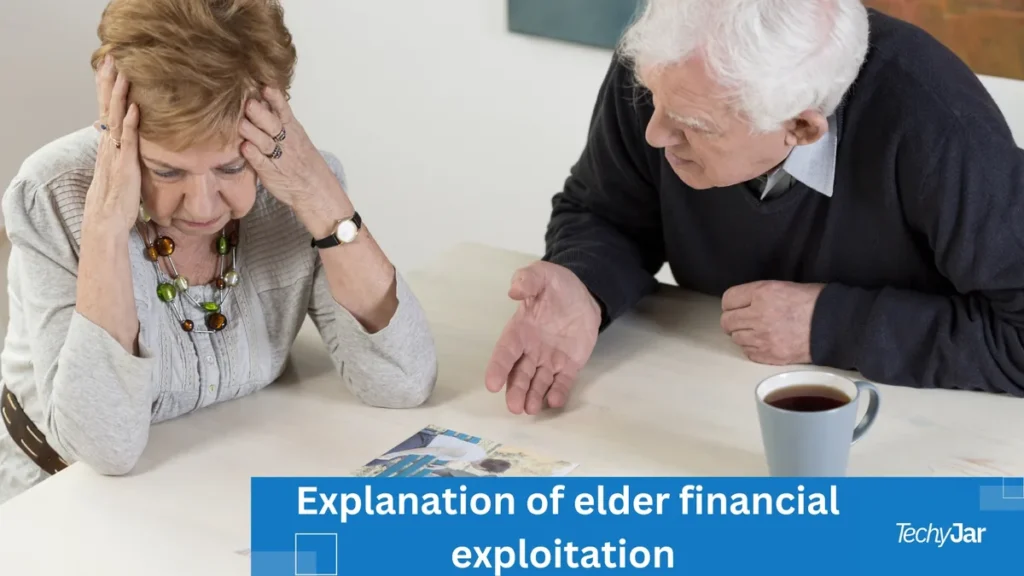
Elder financial exploitation, also called elder financial abuse, covers any situation in which someone takes, misuses or controls an older person’s money, property or financial decisions without proper, informed consent. It is a form of elder abuse recognized in US federal law through the Elder Justice Act and in the laws of every state.
It ranges from outright theft and fraud to subtler abuse: pressuring someone to change a will, ‘borrowing’ money that is never repaid, or a caregiver quietly using a debit card for their own shopping. What these situations share is a breach of trust or a deception that leaves the older person worse off.
A fast-growing problem
Fraud against older adults has risen sharply as more banking, shopping and communication moved online. The FBI’s IC3 report shows people over 60 filed more complaints and lost more money than any other age group in 2024, with cryptocurrency investment scams alone accounting for about $2.8 billion of their reported losses. The Federal Trade Commission’s Consumer Sentinel data tells a similar story: older adults report fraud less often than younger people, but when they do lose money, the amounts tend to be much larger.
Who commits elder financial exploitation?
- Scammers and organized fraud rings, often operating from overseas call centers.
- Family members, including adult children and grandchildren with money or addiction problems.
- Caregivers, whether paid home aides or relatives providing care.
- Neighbors, friends and new acquaintances who gain trust over time.
- Unscrupulous professionals, such as financial advisers, contractors or attorneys who abuse their position.
- Anyone holding a power of attorney or guardianship who uses that authority for their own benefit.
Research consistently finds that exploitation by people the victim knows is common and under-reported, partly because victims do not want to get a loved one into trouble.
The four steps of a successful response
The Consumer Financial Protection Bureau (CFPB) describes four steps for dealing with elder financial exploitation, and this guide follows the same order:
- Prevent it through awareness and simple safeguards.
- Recognize the warning signs early.
- Record what you observe, with dates and evidence.
- Report it to the right people quickly.
How elder financial exploitation is carried out
Exploitation takes many forms. Knowing the common patterns makes them much easier to spot.
Scams by strangers
- Government impostor scams: callers claiming to be from Social Security, Medicare, the IRS or the police, threatening arrest or benefit cuts unless money is paid. Real agencies never demand payment by gift card, wire transfer or cryptocurrency.
- Bank and fraud-department impostors: a caller warns that your account is compromised and asks you to move money to a ‘safe’ account, which belongs to the scammer.
- Grandparent and family emergency scams: a caller pretends to be a grandchild in jail or hospital who needs money urgently and secretly. AI voice-cloning tools now let scammers imitate a real relative’s voice from a short clip online.
- Tech support scams: a pop-up or call says the computer is infected, then the scammer gains remote access and empties accounts or demands payment.
- Romance scams: an online relationship, often on social media or dating sites, slowly turns into requests for money for travel, medical bills or a business emergency.
- Investment and cryptocurrency scams: promises of high, safe returns, fake trading platforms and ‘pig butchering’ schemes that build trust before taking life savings.
- Lottery, sweepstakes and prize scams: ‘You have won’ messages that require fees or taxes up front.
- Medicare and health scams: offers of free equipment or tests in exchange for a Medicare number, which is then used to bill fraudulently.
- Home repair and contractor scams: door-to-door offers to fix roofs or driveways, payment up front and poor or no work.
Exploitation by someone they know
- Theft of cash or valuables from the home.
- Unauthorized withdrawals, checks or card purchases.
- Misuse of a power of attorney or joint account, such as paying personal bills from the older person’s money.
- Undue influence to change a will, deed, beneficiary or trust.
- ‘Loans’ that are never repaid and are used to pressure the person.
- Caregivers overcharging or billing for care not provided.
- Identity theft by relatives who open credit cards or loans in the older person’s name.
In-person scams
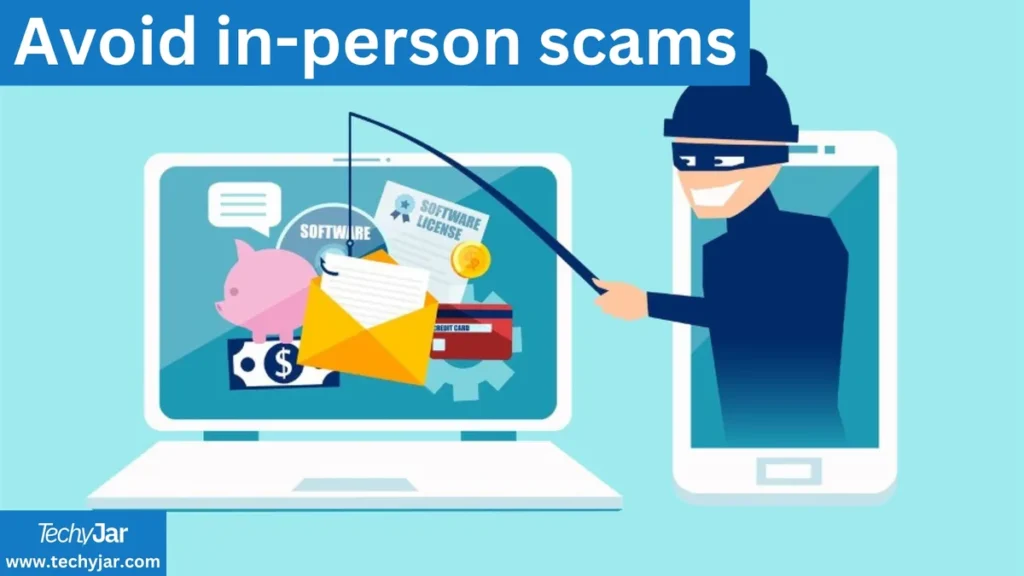
Not every scam happens online. Fake utility workers may ask to come in to ‘check the meter’ while an accomplice steals valuables. Strangers may claim a family member was in an accident and needs money collected in cash by a ‘courier’, a tactic the FBI has warned about repeatedly. If anyone you do not know asks for cash or entry to the home, close the door and call a family member or the police.
The most common scams targeting older adults, explained
Scammers reuse a small number of scripts. Once you know how each one works, the red flags become obvious. Here is how the most common scams unfold and what to do.
Government impostor scams
How it works: a caller, text or letter claims to be from Social Security, Medicare, the IRS or a law enforcement agency. The message says your benefits are suspended, your Social Security number was used in a crime or you owe back taxes, and you must act today to avoid arrest. Caller ID may even show a real government number, because scammers can fake it.
Red flags: threats of arrest, demands for secrecy, pressure to pay immediately, and payment requests by gift card, wire transfer, cryptocurrency or cash. What to do: hang up. Government agencies contact you by mail first and never demand payment this way. If you are worried, call the agency on the number from its official website or your paperwork.
Grandparent and family emergency scams
How it works: a caller says, ‘Grandma, it’s me,’ and claims to be in jail, in hospital or stranded abroad. A second voice may pose as a lawyer or police officer. They beg you not to tell the parents. Increasingly, scammers use AI to clone a relative’s voice from videos posted online, which makes the call sound convincing.
Red flags: urgency, secrecy, requests for cash collected by a ‘courier’ or sent by gift card. What to do: hang up and call your relative or their parents on a number you know. Ask for the family safe word. A real emergency will still be real after a five-minute check.
Tech support scams
How it works: a pop-up freezes the screen with a warning that the computer is infected and a number to call, or a caller claims to be from Microsoft, Apple or your internet provider. The ‘technician’ asks to install remote access software, then shows fake errors, charges for useless repairs or logs into online banking. A common variation claims you were overcharged for a refund and tricks you into ‘returning’ money.
Red flags: unsolicited contact, pop-ups with phone numbers, requests for remote access. What to do: never call numbers in pop-ups; close the browser or restart the computer. Never let anyone you did not contact first access your computer. If you already gave access, disconnect from the internet, run your antivirus, change passwords from another device and call your bank.
Romance scams
How it works: a new contact on social media or a dating site showers the person with attention. They often claim to be working overseas, in the military or on an oil rig, so they can never meet. After weeks or months comes a request for money for a medical bill, a flight, customs fees or an investment opportunity. The FTC has reported that romance scams cost Americans well over a billion dollars a year.
Red flags: they cannot video call or meet, the relationship moves very fast, and money requests begin. What to do: never send money to someone you have not met in person. A reverse image search of their photos often reveals stolen pictures. Talk to a friend or family member about the relationship.
Investment and cryptocurrency scams
How it works: a friendly contact, sometimes met through a ‘wrong number’ text, introduces a trading platform with impressive returns. Small early withdrawals work, building trust, until large sums are invested and withdrawals are suddenly blocked by ‘taxes’ or ‘fees’. These schemes, sometimes called pig butchering, accounted for billions of dollars of losses among older adults in 2024.
Red flags: guaranteed high returns, pressure to invest more, unfamiliar apps or websites, and fees to withdraw your own money. What to do: check any adviser or firm on FINRA BrokerCheck and the SEC’s Investor.gov. Never invest through someone you met online.
Lottery, sweepstakes and prize scams
How it works: a call or letter says you have won a lottery, car or cash prize, but you must pay taxes or fees first. Real prizes never require payment to collect.
Medicare and health scams
How it works: callers offer free braces, genetic tests or medical equipment in exchange for your Medicare number, then bill Medicare fraudulently. Others sell fake ‘Medicare cards’ or insurance plans. What to do: protect your Medicare number like a credit card and review your Medicare Summary Notices for services you did not receive. Report suspected fraud to 1-800-MEDICARE or your Senior Medicare Patrol.
Home repair and contractor scams
How it works: someone knocks on the door claiming they noticed a problem with the roof or driveway, offers a cheap deal, takes a large deposit and disappears or does shoddy work. What to do: get several written quotes, check licenses and reviews, and never pay the full amount up front.
| Scam | Typical opening | Biggest red flag |
|---|---|---|
| Government impostor | Your benefits are suspended | Threats and gift card payments |
| Grandparent scam | Grandma, it’s me, I’m in trouble | Urgency and secrecy |
| Tech support | Your computer is infected | Requests for remote access |
| Romance | Attention from a new online friend | They can never meet |
| Investment and crypto | A guaranteed high return | Fees to withdraw your money |
| Prize or lottery | You have won | Paying to collect a prize |
Examples of how exploitation unfolds
The following examples are illustrative, combining common patterns reported by agencies such as the FBI and FTC. They show how ordinary situations can turn into exploitation.
The urgent call
An 82-year-old man receives a call from someone who sounds exactly like his grandson, saying he has been arrested after a car accident. A ‘lawyer’ then explains that $9,000 in cash will be collected by a courier for bail. Because he was asked to keep it secret, he tells no one. A family safe word, or a quick call to his grandson’s parents, would have stopped the scam in minutes.
The helpful neighbor
A widow in her late seventies accepts help with shopping and bills from a friendly neighbor. Over several months, the neighbor gains access to her debit card PIN and online banking. Small withdrawals become large ones. Her daughter notices unpaid utility bills and unfamiliar transactions during a visit. Account alerts and a second person reviewing statements would have flagged the problem much earlier.
The investment friend
A retired teacher gets a ‘wrong number’ text that turns into friendly daily messages. Her new friend shows her a crypto trading app with impressive returns. She invests her savings, sees her balance grow, and then is told she must pay a large ‘tax’ before withdrawing. The money is gone. Checking the platform with regulators, and never investing through someone met online, would have protected her.
How AI is changing scams against older adults
Artificial intelligence has made scams cheaper to run and more convincing. The FTC and FBI have both warned the public about these newer tactics.
- Voice cloning: a few seconds of audio from a social media video can be enough to imitate a relative’s voice in a ‘family emergency’ call.
- Deepfake video: fake videos of celebrities or financial experts promote investment schemes and fake products.
- Flawless phishing: AI writes convincing emails and texts with no spelling mistakes, so poor grammar is no longer a reliable warning sign.
- Fake customer support: chatbots and fake websites impersonate banks, airlines and tech companies.
- Romance at scale: AI helps scammers manage many fake relationships at once, with consistent, attentive messages.
The defenses are the same as ever, but more important: verify through a channel you trust, never act on urgency alone, agree a family safe word and treat any request for unusual payment methods as a scam until proven otherwise. Encourage relatives to keep social media profiles private to limit the audio and personal details scammers can collect.
The emotional and mental effects of elder financial exploitation
The harm goes far beyond money. Many victims experience shame and embarrassment, believing they should have known better. Others feel anxiety, depression, fear and a loss of confidence in their own judgment. When the exploiter is a family member or caregiver, the betrayal can damage relationships for good and leave the older person isolated.
Research on elder abuse links it to poorer health, more hospital visits and a higher risk of needing nursing home care. Losing savings can also force difficult changes: selling a home, moving in with relatives or going without needed care. That is why responding with compassion matters as much as recovering the money. Anyone, at any age and with any level of education, can be fooled by a skilled scammer.
Why older adults are targeted
- They often have assets. Savings, retirement accounts, home equity and good credit make older adults attractive targets.
- Isolation and loneliness. A friendly voice on the phone or a new online friend can be very persuasive to someone who lives alone.
- Cognitive changes. Even mild changes in memory or judgment can make it harder to spot deception or manage complex finances.
- Politeness and trust. Many older adults were raised to be courteous and hesitate to hang up on someone or say no.
- Less familiarity with new technology. Payment apps, cryptocurrency and AI-generated voices are unfamiliar, which scammers exploit.
- Under-reporting. Embarrassment, fear of losing independence and reluctance to accuse family mean many cases are never reported, which scammers count on.
- Dependence on others. People who rely on caregivers or relatives for daily help may feel unable to object.
Why family members sometimes exploit older relatives
It is painful to consider, but family members are among the most common perpetrators of elder financial exploitation. Understanding why can help families spot risks early and step in before real harm is done.
- Financial pressure: debt, job loss or housing problems can lead a relative to ‘borrow’ without asking.
- Addiction: gambling, alcohol or drug problems are a strong risk factor.
- Entitlement: some relatives feel they are owed an early inheritance, especially if they provide care.
- Caregiver strain: unpaid caregivers who feel unsupported may start paying themselves without agreement.
- Lack of oversight: when one person controls all the finances with no one else checking, small misuse can grow.
Clear agreements help. If a relative is providing significant care, consider a written caregiver agreement that sets out what they will be paid, prepared with an elder law attorney. Sharing financial oversight between two people also protects everyone, including the caregiver, from suspicion.
Financial exploitation in nursing homes and assisted living
Older adults in long-term care can be especially vulnerable. They may rely on staff for daily needs, have limited contact with family and keep valuables in a shared space. Exploitation can include theft of cash or jewelry, misuse of a resident’s trust account, pressure to give ‘gifts’ to staff or charging for services that were never provided.
- Keep an up-to-date inventory of belongings and mark valuable items.
- Leave expensive jewelry and large amounts of cash at home or in a safe deposit box.
- Ask how the facility manages resident funds and request regular statements.
- Visit at different times of day and get to know staff.
- Report concerns to the facility administrator and, if not resolved, to your state’s long-term care ombudsman, who advocates for residents for free.
How to detect elder financial exploitation
Exploitation is easiest to stop early. Watch for changes in money, behavior and relationships.
Financial warning signs
- Unusual or large withdrawals, transfers or checks.
- Purchases of gift cards, wire transfers or cryptocurrency, especially in large amounts.
- Bills going unpaid even though income should cover them.
- New credit cards, loans or accounts the person did not open or does not understand.
- Changes to bank accounts, such as a new joint owner or a new address for statements.
- Missing checks, statements, jewelry or other valuables.
- Sudden changes to a will, trust, deed, beneficiary or power of attorney.
- Unexplained subscriptions or recurring charges.
Behavioral and relationship warning signs
- A new ‘best friend’, romantic partner or adviser who is very interested in their finances.
- Secrecy, anxiety or fear when money is mentioned.
- A caregiver or relative who isolates the person or will not let you speak to them alone.
- The person seems confused about transactions they supposedly made.
- Frequent phone calls, letters or emails about prizes, investments or emergencies.
- Unusual reluctance to talk about money with people they previously trusted.
If you notice warning signs, start a gentle, non-judgmental conversation. Ask open questions such as ‘Has anyone asked you for money lately?’ rather than accusing anyone. People are more likely to share what is happening if they do not feel blamed.
How to talk to a loved one about financial exploitation
Conversations about money and independence can be sensitive. The goal is to protect the person without making them feel judged, controlled or foolish.
- Choose a calm moment and a private place, not straight after a family argument.
- Start with care, not accusation. For example: ‘I read about a scam going around and wanted to make sure you’re okay.’
- Share real examples from the news so it feels less personal.
- Listen more than you talk. Ask open questions and let them explain.
- Focus on safeguards, not control. Suggest small steps, such as account alerts or a trusted contact, rather than taking over their finances.
- Agree a plan together, such as calling you before sending money to anyone new.
- Keep the door open. Make it clear they can always come to you, even if they have already lost money.
Avoid blame. If someone feels ashamed, they are more likely to hide future scams. Remind them that scammers are professionals who fool people of every age and background.
Different ways to prevent elder financial exploitation
Most prevention steps are simple and free. Put them in place before there is a problem.

Banking and money safeguards
- Name a trusted contact on bank and brokerage accounts. Under FINRA rules, investment firms can contact this person and place a temporary hold if they suspect exploitation; many banks offer similar options.
- Turn on account alerts for large withdrawals, new payees and password changes.
- Set up automatic bill payments for regular bills so nothing is missed.
- Consider ‘view-only’ access for a trusted relative so they can spot unusual activity without being able to move money.
- Freeze credit with Equifax, Experian and TransUnion. It is free and stops new accounts being opened in the person’s name.
- Keep cash and valuables secure, and keep an inventory of important items.
Protect against scams
- Hang up and call back on a number you look up yourself whenever a call asks for money, account details or remote access.
- Never pay with gift cards, wire transfers, cryptocurrency or cash couriers because someone asked you to. Legitimate organizations do not demand these.
- Agree a family safe word. If someone calls claiming to be a relative in trouble, ask for the word before doing anything.
- Register with the National Do Not Call Registry and use your phone’s call-screening features to reduce scam calls.
- Use security software that blocks scam websites and texts; see our guide to the best antivirus software.
- Use a password manager and two-factor authentication so accounts cannot be taken over easily.
- Be wary of online romances with people you have never met in person, especially if they ask for money.
Legal and planning safeguards
- Choose a power of attorney carefully. Pick someone trustworthy, consider naming two people who must act together, and require regular accounting.
- Make or update a will and estate plan with an independent attorney, ideally with no family members present during private discussions.
- Review beneficiaries on retirement accounts and insurance policies.
- Keep important documents in a secure place and tell a trusted person where they are.
Hiring caregivers and contractors
- Use reputable agencies, check references and run background checks.
- Never let a caregiver handle banking alone or give them PINs or passwords.
- Lock away checkbooks, cards and valuables.
- For home repairs, get written quotes, check licenses and never pay in full up front.
Stay connected
Isolation is one of the strongest risk factors. Regular calls and visits, community activities and senior centers all reduce the chance that a scammer becomes the most attentive person in someone’s life.
Ten simple rules for older adults
- If someone you did not contact asks for money or personal details, hang up or do not reply.
- Never pay with gift cards, wire transfers, cryptocurrency or cash couriers when asked to by phone, text or email.
- Take your time. Scammers create urgency; real organizations let you think and check.
- Verify any emergency by calling the person or a family member on a number you already know.
- Never give remote access to your computer to someone who contacted you first.
- Keep your Social Security, Medicare and bank details private.
- Talk to someone you trust before making a large or unusual payment.
- Check your bank and card statements every month.
- Keep your devices and security software updated.
- If something feels wrong, stop and ask for help. There is no shame in checking.
Technology safeguards for older adults
A few settings on phones and computers block many scams before they reach anyone.
Phones
- Turn on Silence Unknown Callers (iPhone) or call screening and spam protection (Android).
- Ask your mobile carrier about free scam-call blocking.
- Never call back numbers from texts claiming problems with a package, bank or account.
- Keep the phone updated, and set a screen lock.
Computers and email
- Install reputable security software with web and phishing protection.
- Keep the operating system and browser updated automatically.
- Use an email provider with strong spam filtering, and do not open attachments from unknown senders.
- Use a standard (non-administrator) account for everyday use so malware cannot install easily.
- Bookmark the real websites for the bank and other important services, and always use the bookmarks.
Online accounts
- Use a password manager so every account has a unique, strong password.
- Turn on two-factor authentication, ideally using an authenticator app or passkey rather than text messages.
- Set up account recovery options so a trusted family member can help if the person gets locked out.
A family checklist to prevent elder financial exploitation
Work through this checklist together. Most items take only a few minutes and cost nothing.
- Trusted contact person added to every bank and investment account.
- Alerts turned on for large withdrawals, new payees and login changes.
- Credit frozen at all three bureaus.
- Durable power of attorney and up-to-date will in place, prepared by an independent attorney.
- A family safe word agreed for emergency calls.
- Phone spam and unknown-caller protection turned on.
- Security software and automatic updates installed on computers.
- Password manager set up, with two-factor authentication on email and banking.
- Regular check-in calls or visits scheduled.
- Emergency numbers written down: the bank’s fraud line, the National Elder Fraud Hotline and Adult Protective Services.
Questions to ask your bank
- Can I add a trusted contact person to my accounts?
- What alerts can you send for large withdrawals, new payees or password changes?
- Do you offer ‘view-only’ access for a family member?
- What daily limits can I set on withdrawals, transfers and debit card purchases?
- How do you handle suspected elder financial exploitation, and will you place a hold if something looks wrong?
- What is the fastest way to report fraud, and how long do I have to dispute transactions?
Help your loved ones when cognitive changes start affecting financial decisions
Money problems are often one of the first signs of memory loss or cognitive decline. Missed bill payments, repeated purchases, confusion over statements or falling for an obvious scam can all be early warnings.
- Talk early, while your loved one can still take part fully in decisions about their future.
- Encourage a medical check-up if you notice changes; some causes of confusion are treatable.
- Simplify finances by consolidating accounts and setting up automatic payments.
- Put a durable power of attorney in place so someone trusted can step in when needed.
- Agree on oversight, such as a second person reviewing statements each month.
- Respect independence. Give your loved one as much control as is safely possible; taking over completely can be harmful and is rarely necessary at first.
If a person can no longer manage their finances and there is no power of attorney, a court may need to appoint a guardian or conservator. Speak to an elder law attorney about the options in your state.
Power of attorney, guardianship and conservatorship explained
Legal tools can protect an older person, but they can also be misused. Understanding the options helps you choose safely.
Durable power of attorney
A durable power of attorney lets a chosen person, called an agent, manage financial matters if the older person can no longer do so. It must be signed while the person still has capacity. Choose someone trustworthy and financially responsible, and consider these protections:
- Name a backup agent in case the first cannot serve.
- Require the agent to keep records and share regular accountings with another family member.
- Limit gifting powers so the agent cannot give money to themselves.
- Consider co-agents who must act together for large transactions.
- Review the document every few years and after major life changes.
Joint accounts
Adding a relative as a joint owner on a bank account can seem convenient, but the joint owner legally owns the money too and can withdraw all of it. A power of attorney or a ‘convenience signer’ arrangement, where available, is often safer.
Guardianship and conservatorship
If a person can no longer make decisions and has no power of attorney, a court may appoint a guardian or conservator. It is a serious step that removes rights from the older person, so courts usually consider less restrictive options first. Abuse by guardians does happen, which is why courts require reports and accountings. An elder law attorney can explain the rules in your state.
Representative payees
For Social Security benefits, the Social Security Administration can appoint a representative payee to manage payments for someone who needs help. Payees must use the money for the beneficiary’s needs and keep records, and misuse can be reported to the SSA.
Record and report elder financial exploitation

What to record
- Dates, times and amounts of suspicious transactions.
- Names, phone numbers, email addresses and websites used by the suspected exploiter.
- Copies of bank statements, receipts, letters, emails and text messages.
- Notes about conversations and any changes in behavior you have observed.
Where to report it
- Immediate danger: call 911.
- The bank or card issuer: call right away to freeze accounts, stop payments and dispute transactions.
- Adult Protective Services (APS): every state has APS to investigate exploitation of vulnerable adults. Find your local office through the National Adult Protective Services Association or the Eldercare Locator at 1-800-677-1116.
- National Elder Fraud Hotline: 1-833-FRAUD-11 (1-833-372-8311), run by the Department of Justice. Case managers help victims report and find support.
- FBI IC3: report online and cyber-enabled fraud at ic3.gov.
- Federal Trade Commission: report scams at ReportFraud.ftc.gov.
- Local police: file a report, which banks and insurers often require.
- Long-term care ombudsman: for exploitation in nursing homes or assisted living.
- State attorney general: many have elder fraud units.
Under the federal Senior Safe Act, banks and investment firms that report suspected exploitation in good faith are protected from liability, so do not hesitate to ask a bank to investigate.
What to do in the first 24 hours after a scam
Speed matters. The sooner you act, the better the chance of stopping further losses and recovering money.
- Stop all contact with the scammer. Do not send more money, even if they promise a refund or threaten you.
- Call the bank or card issuer using the number on the card or statement. Ask them to stop payments, freeze accounts and dispute transactions.
- If a wire transfer was sent, ask the bank to request a recall immediately; recalls work best within hours.
- If gift cards were used, call the gift card company on the number on the back of the card and report the fraud; sometimes unspent balances can be frozen.
- If someone had remote access, disconnect the computer from the internet, run a full antivirus scan and change passwords from another device.
- Change passwords and turn on two-factor authentication for email, banking and any accounts the scammer may know about.
- Freeze credit at Equifax, Experian and TransUnion if personal information such as a Social Security number was shared.
- Report it to IC3, the FTC, local police and, for older adults, Adult Protective Services and the National Elder Fraud Hotline.
- Write down everything that happened while it is fresh: dates, amounts, names, numbers and websites.
- Watch for recovery scams. Victims are often contacted by people offering to recover lost money for a fee. These are scams too.
Recovering from identity theft
When exploitation involves stolen personal information, follow these steps to limit the damage:
- Visit IdentityTheft.gov, the FTC’s official site, to create a personalized recovery plan and an identity theft report.
- Place a free credit freeze, or at least a fraud alert, with all three credit bureaus.
- Get free credit reports at AnnualCreditReport.com and check for accounts you do not recognize.
- Close fraudulent accounts and ask companies to remove fraudulent charges.
- If a Social Security number was misused for taxes, contact the IRS Identity Protection Specialized Unit and consider an IRS Identity Protection PIN.
- Monitor Medicare Summary Notices and health insurance statements for services you did not receive.
Take care of your elders’ mental health
After exploitation, many older adults withdraw from family and friends out of embarrassment. Others lose confidence and become afraid to answer the phone or manage money at all.
- Reassure them that it was a crime, not a personal failing.
- Involve them in the recovery steps so they regain a sense of control.
- Encourage them to talk to their doctor or a counselor, especially if they seem depressed or anxious.
- Keep up social routines, visits and activities.
- Watch for signs of crisis, and call or text 988, the Suicide and Crisis Lifeline, if you are worried about their safety.

Different resources for assistance
- National Elder Fraud Hotline: 1-833-372-8311 (Monday to Friday, Department of Justice Office for Victims of Crime).
- Eldercare Locator: 1-800-677-1116 or eldercare.acl.gov, to find local services.
- National Center on Elder Abuse: ncea.acl.gov, guidance on recognizing and reporting abuse.
- Consumer Financial Protection Bureau: resources for older adults, including the Money Smart for Older Adults program.
- AARP Fraud Watch Network Helpline: 877-908-3360, free support for fraud victims and families.
- Social Security Administration Office of the Inspector General: to report Social Security impostor scams.
- Senior Medicare Patrol: help spotting and reporting Medicare fraud.
- Local Area Agencies on Aging: practical support, caregiver programs and referrals.
State elder abuse programs
Every US state and territory runs an Adult Protective Services program, and many also have elder abuse hotlines, long-term care ombudsman programs and attorney general elder fraud units. Because contact details change, the most reliable way to find yours is the NAPSA state directory or the Eldercare Locator at 1-800-677-1116. In most states, certain professionals such as healthcare workers and bank employees are legally required to report suspected elder abuse, but anyone can make a report, and you can usually do so anonymously.
Frequently asked questions
What is the most common type of elder financial exploitation?
Impostor scams, investment and cryptocurrency scams, and tech support scams cause some of the largest reported losses. Exploitation by family members and caregivers is also very common, but is far less likely to be reported.
Who should I call if I suspect elder financial abuse?
Call 911 in an emergency. Otherwise contact Adult Protective Services in the person’s state, the National Elder Fraud Hotline at 1-833-372-8311 and the person’s bank.
Can a bank stop elder financial exploitation?
Banks and investment firms can place temporary holds on suspicious transactions and contact a trusted contact person you have named in advance. The Senior Safe Act protects them when they report in good faith.
How can technology help protect older adults?
Security software that blocks scam sites and texts, account alerts, call screening, a credit freeze and a password manager all reduce the risk. Our guide to the best antivirus software covers options with scam protection.
Can stolen money be recovered?
Sometimes. Acting quickly gives the best chance: banks can sometimes reverse transfers, and card payments can often be disputed. Money sent by gift card, wire or cryptocurrency is much harder to recover, which is why scammers demand it.
Is elder financial exploitation a crime?
Yes. Depending on the facts it can be theft, fraud, forgery or a specific elder abuse offense under state law. Civil remedies may also be available to recover money.
Can I report exploitation anonymously?
In most states you can report to Adult Protective Services without giving your name, and reports made in good faith are protected.
What if the older person does not want help?
Adults with capacity have the right to make their own decisions, even risky ones. Keep the conversation open, share information and focus on safeguards they agree to. If you believe they lack capacity or are in danger, contact Adult Protective Services.
How do I protect a parent with dementia from scams?
Put a durable power of attorney in place early, simplify accounts, set up alerts and limits, reduce unsolicited calls and mail, and make sure a trusted person reviews statements regularly.
Final thoughts
Elder financial exploitation is common, costly and often hidden, but it is also preventable. Learn the warning signs, put simple safeguards in place now, stay in regular contact with the older people in your life and report anything suspicious quickly. Acting early is the best way to protect their savings, their independence and their peace of mind.